$23.86
On Hold
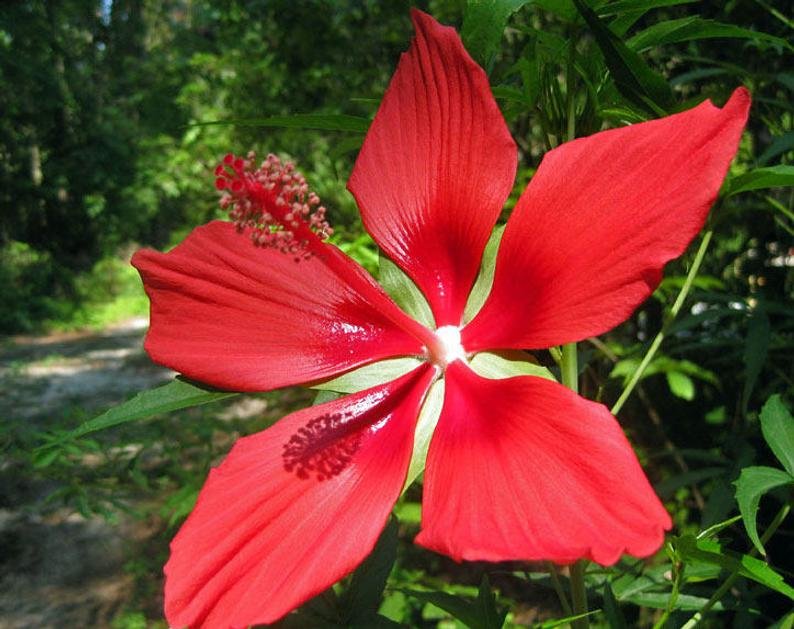
KIMIZA - 5 SEEDS HIBISCUS COCCINEUS TEXAS STAR
More than 10 available
Details
Shipping: Australia: $12.00 (more destinations)
Sales Tax: check
Condition: Brand new
*The store has not been updated recently. You may want to contact the merchant to confirm the availability of the product.
HOW TO GROW HIBISCUS FROM A SEED
Growing hibiscus from seed takes a bit of work, but the results are beautiful, floral additions that can brighten any home or garden. To plant hibiscus from a seed:
1. Germinate indoors.
Hibiscus seeds can take a long time to germinate depending on your plant hardiness zone, so you’ll need to jump-start the process indoors (around two to three months before the last frost date). Germinate the seeds by using a knife to nick the round end of the hard seed coating, which will allow more moisture to enter and speed up the germination process. Soak the seeds in room temperature water anywhere from one to eight hours.
2. Plant in a tray or pot.
Choose a potting soil or seed-starting mix for your germinating seeds. Plant seeds about a quarter-inch deep in your potting mix, and keep in warm, sunny conditions—at least 75 to 85 degrees Fahrenheit. After two to three weeks, your hibiscus seedlings should sprout. As your hibiscus plants grow indoors, you’ll need to place them into bigger pots to accommodate their increasing size. Hibiscus have extremely fragile stems before they become fully established plants, so avoid planting outdoors until they are strong enough to survive adverse weather.
3. Harden off.
Once your hibiscus seedlings have grown a few true leaves and the danger of frost has passed, you can start to harden off your plants by taking them outside to acclimate for a few hours a day.
4. Transplant and water.
Dig a hole in your garden soil large enough to accommodate the hibiscus root ball and loosen the soil up to one foot deep. Set the plant inside of the hole so that the top of the root ball is level with the soil surface. Begin filling the hole with soil then stop at the halfway point. Soak the soil thoroughly then continue filling the hole with soil. Do not place any soil on top of the root ball to avoid suffocating the plant. Deeply water the planting area.
Growing hibiscus from seed takes a bit of work, but the results are beautiful, floral additions that can brighten any home or garden. To plant hibiscus from a seed:
1. Germinate indoors.
Hibiscus seeds can take a long time to germinate depending on your plant hardiness zone, so you’ll need to jump-start the process indoors (around two to three months before the last frost date). Germinate the seeds by using a knife to nick the round end of the hard seed coating, which will allow more moisture to enter and speed up the germination process. Soak the seeds in room temperature water anywhere from one to eight hours.
2. Plant in a tray or pot.
Choose a potting soil or seed-starting mix for your germinating seeds. Plant seeds about a quarter-inch deep in your potting mix, and keep in warm, sunny conditions—at least 75 to 85 degrees Fahrenheit. After two to three weeks, your hibiscus seedlings should sprout. As your hibiscus plants grow indoors, you’ll need to place them into bigger pots to accommodate their increasing size. Hibiscus have extremely fragile stems before they become fully established plants, so avoid planting outdoors until they are strong enough to survive adverse weather.
3. Harden off.
Once your hibiscus seedlings have grown a few true leaves and the danger of frost has passed, you can start to harden off your plants by taking them outside to acclimate for a few hours a day.
4. Transplant and water.
Dig a hole in your garden soil large enough to accommodate the hibiscus root ball and loosen the soil up to one foot deep. Set the plant inside of the hole so that the top of the root ball is level with the soil surface. Begin filling the hole with soil then stop at the halfway point. Soak the soil thoroughly then continue filling the hole with soil. Do not place any soil on top of the root ball to avoid suffocating the plant. Deeply water the planting area.
You may also be interested in:
-
$15.32
-
$8.35
-
$15.32
-
$30.53
-
$12.53
-
$12.98
-
$24.91
-
$12.55
-
$12.53
-
$28.93