
$8.35
Add to Cart
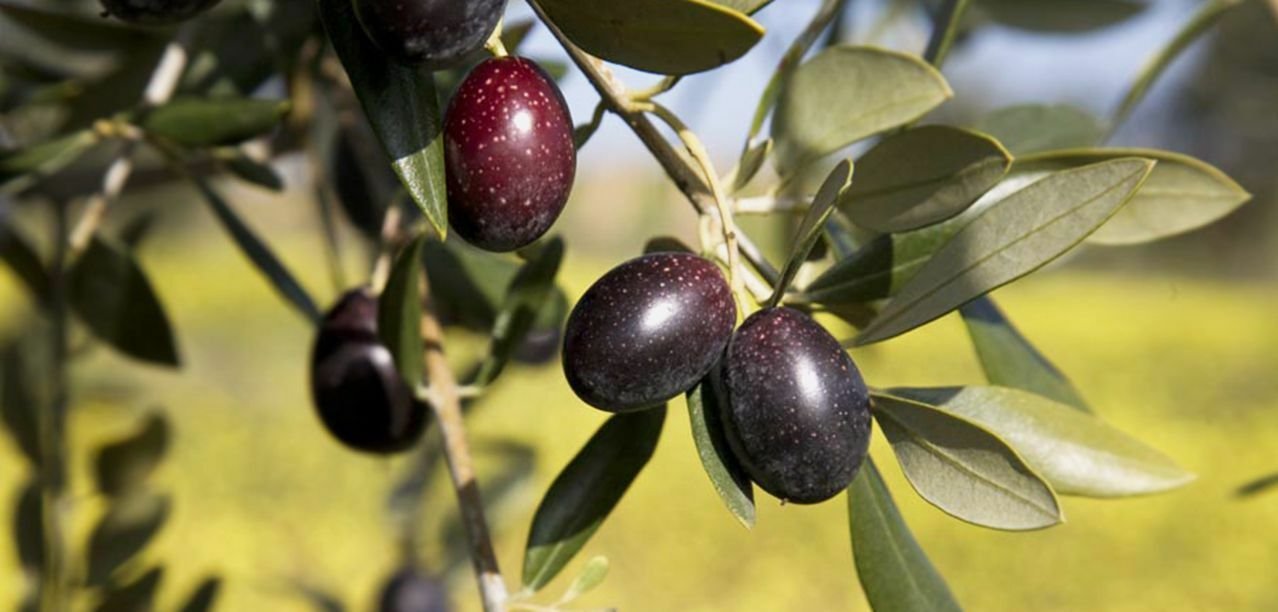
10 OLIVE TREE (Olea Europaea ) Bio Seeds! Free shipping!
More than 10 available, 1 sold
Details
Shipping: Australia: free (more destinations)
Condition: Brand new
This product is for 10 Olive Tree(Olea Europaea) seeds.
Free Shipping
Bio Seeds - These don't have any quimical product or process added
Enjoy a beautiful tree in your Garden.
Free Shipping Olea Europaea / Olive Tree Genus - Olea Species - Europaea Common name - Olive Tree Other names - Olive, Cultivated Olive, European Olive Germination rate - 70% Pre-Treatment - Required Germination info - Scarifcation, long term stratification Hardiness zones - 8 - 10 Height - 15'-30' / 4.6m - 9.1m Spread - 12'-25' / 3.7m - 7.6m Plant type - Tree Vegetation type - Evergreen Exposure - Full Sun Soil PH - Neutral, Alkaline Soil type - Loam, Sand, Well Drained Water requirements - Drought Tolerant Landscape uses - Edible, Feature Plant, Fruit / Fruit Tree, Shade Trees, Topiary / Bonsai / Espalier Leaf / Flower color - Olive, Gray Green / Yellow, White Plant growth rate - Slow The olive tree is a native of the chaparral regions of the Mediterranean where the oil from its fruits have fueled the diets of many great, early civilizations. Unlike most other fruit trees, olives are very long-lived and produce better with age, so ancient groves across countries such as Greece, Italy, Israel and Turkey. Trees as old as 1800 years still produce bumper crops of olives. Contemporary groves also exist worldwide, where the climate permits. In the North America, California is the center for olive production. Olive trees develop low branches that support a dense cover of small, lance-shaped, gray-green leaves with whitish undersides. These remain evergreen all season. As the trees age, the grey trunks become quite gnarled and attractive. Olives are slow growing and usually take between five and eight years before they are fruitful. Mature specimens produce clusters of small, fragrant, white flowers in the spring. The flowers give way to the familiar olive fruits. Some cultivars are self-fruitful, others set more fruit with cross pollination and a few ornamental selections are sterile and fruitless. Those grown for their fruits are typically harvested in late fall or winter. Provide olive trees with plenty of sun and very well-drained soil with average to poor fertility and a neutral to alkaline pH. The best time to plant new trees is in spring. They are quite drought tolerant, but newly planted trees become better established if regularly fed and irrigated in the first two to three years after planting. Protect the trunks from damage because nicks and gouges may induce unwanted shoots, or suckers. Hardiness varies from cultivar to cultivar, so keep this in mind when choosing a tree for your landscape. Common pests include the olive fruit fly and black scale. Fruit-bearing trees grown as ornamentals can be sheared after flowering to prevent fruit formation, but this is time consuming and can spoil their natural beauty. Fruitless varieties make better specimen trees. Olive trees make beautiful specimens for dry, chaparral landscapes across the globe and are some of the most commercially valuable of all fruit-bearing woody plants. (info source: Learn2Grow.com)
IF YOU BUY:2 - 10% DISCOUNT ON FINAL VALUE 3 - 15% DISCOUNT ON FINAL VALUE 4 OR MORE - 20% DISCOUNT ON FINAL VALUE
Free Shipping
Bio Seeds - These don't have any quimical product or process added
Enjoy a beautiful tree in your Garden.
Free Shipping Olea Europaea / Olive Tree Genus - Olea Species - Europaea Common name - Olive Tree Other names - Olive, Cultivated Olive, European Olive Germination rate - 70% Pre-Treatment - Required Germination info - Scarifcation, long term stratification Hardiness zones - 8 - 10 Height - 15'-30' / 4.6m - 9.1m Spread - 12'-25' / 3.7m - 7.6m Plant type - Tree Vegetation type - Evergreen Exposure - Full Sun Soil PH - Neutral, Alkaline Soil type - Loam, Sand, Well Drained Water requirements - Drought Tolerant Landscape uses - Edible, Feature Plant, Fruit / Fruit Tree, Shade Trees, Topiary / Bonsai / Espalier Leaf / Flower color - Olive, Gray Green / Yellow, White Plant growth rate - Slow The olive tree is a native of the chaparral regions of the Mediterranean where the oil from its fruits have fueled the diets of many great, early civilizations. Unlike most other fruit trees, olives are very long-lived and produce better with age, so ancient groves across countries such as Greece, Italy, Israel and Turkey. Trees as old as 1800 years still produce bumper crops of olives. Contemporary groves also exist worldwide, where the climate permits. In the North America, California is the center for olive production. Olive trees develop low branches that support a dense cover of small, lance-shaped, gray-green leaves with whitish undersides. These remain evergreen all season. As the trees age, the grey trunks become quite gnarled and attractive. Olives are slow growing and usually take between five and eight years before they are fruitful. Mature specimens produce clusters of small, fragrant, white flowers in the spring. The flowers give way to the familiar olive fruits. Some cultivars are self-fruitful, others set more fruit with cross pollination and a few ornamental selections are sterile and fruitless. Those grown for their fruits are typically harvested in late fall or winter. Provide olive trees with plenty of sun and very well-drained soil with average to poor fertility and a neutral to alkaline pH. The best time to plant new trees is in spring. They are quite drought tolerant, but newly planted trees become better established if regularly fed and irrigated in the first two to three years after planting. Protect the trunks from damage because nicks and gouges may induce unwanted shoots, or suckers. Hardiness varies from cultivar to cultivar, so keep this in mind when choosing a tree for your landscape. Common pests include the olive fruit fly and black scale. Fruit-bearing trees grown as ornamentals can be sheared after flowering to prevent fruit formation, but this is time consuming and can spoil their natural beauty. Fruitless varieties make better specimen trees. Olive trees make beautiful specimens for dry, chaparral landscapes across the globe and are some of the most commercially valuable of all fruit-bearing woody plants. (info source: Learn2Grow.com)
IF YOU BUY:2 - 10% DISCOUNT ON FINAL VALUE 3 - 15% DISCOUNT ON FINAL VALUE 4 OR MORE - 20% DISCOUNT ON FINAL VALUE


