
$19.98
Add to Cart
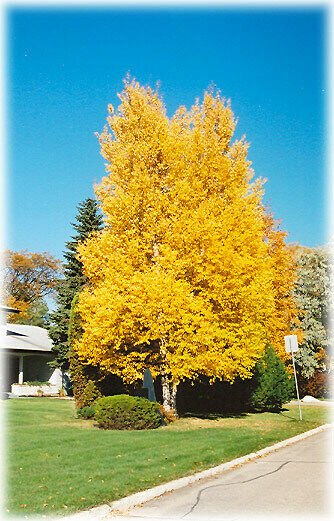
50 Paper Birch, Betula papyrifera, Tree Seeds (Fast, Hardy, Fall Color)


Other Names: White Birch, Silver Birch, Betula latifolia, Canoe Birch, Betula alba, Betula grandis, Betula alaskana, Betula cordifolia, Betula neoalaskana
Zone: 2 to 6
Growth Rate: Fast
Plant Type: Deciduous Tree
Family: Betulaceae
Native Range: United States, Canada, Greenland, Alaska to Newfoundland,
Height: 50 to 70 feet
Spread: 25 to 50 feet
Bloom Time: March - April
Bloom Color: Yellowish brown (male) and green (female)
Flower/Fruit: Inconspicuous flowers in early spring followed by 1-1.5" fruit on drooping catkins
Sun: Part shade
Water: Medium to wet
Maintenance: Medium
Fall Color: Golden/yellow
Drought Tolerance: Moderate
Site Requirements /Soil Conditions: Grows in any soil in sun. Adaptable to many conditions.
Habitats: Grows in climates ranging from boreal to humid and tolerates wide variations in the amount and pattern of precipitation. It grows at the northern limit of tree growth in arctic Canada and Alaska, in boreal spruce woodlands, forests and subalpine forests of the West, in wooded draws of the northern Great Plains, and in coniferous, deciduous, and, mixed forests of the Northeast and Lake States. Hardy to -40F
Culture: Birches adapt to a wide variety of soils, including winter-saturated soils. They are drought tolerant once established. It looks sensational planted in a grove. Lower branches can be removed when they are small to show off the beautiful trunk, but in general, birches respond poorly to pruning. The best tactic is to plant the tree where is has plenty of space and leave it alone.
Sowing Betula papyrifera Seeds:
The seeds of Paper Birch are very small.
For best results, please follow the instructions in the order provided.
Stratify: Cold 60 days, 40 Degrees F in a Moist Medium (Not wet).
Germination: Surface sow indoors under a grow light. Use a dome lid and mist regularly to keep moist. Requires light for germination. Artificial light is recommended.
Zone: 2 to 6
Growth Rate: Fast
Plant Type: Deciduous Tree
Family: Betulaceae
Native Range: United States, Canada, Greenland, Alaska to Newfoundland,
Height: 50 to 70 feet
Spread: 25 to 50 feet
Bloom Time: March - April
Bloom Color: Yellowish brown (male) and green (female)
Flower/Fruit: Inconspicuous flowers in early spring followed by 1-1.5" fruit on drooping catkins
Sun: Part shade
Water: Medium to wet
Maintenance: Medium
Fall Color: Golden/yellow
Drought Tolerance: Moderate
Site Requirements /Soil Conditions: Grows in any soil in sun. Adaptable to many conditions.
Habitats: Grows in climates ranging from boreal to humid and tolerates wide variations in the amount and pattern of precipitation. It grows at the northern limit of tree growth in arctic Canada and Alaska, in boreal spruce woodlands, forests and subalpine forests of the West, in wooded draws of the northern Great Plains, and in coniferous, deciduous, and, mixed forests of the Northeast and Lake States. Hardy to -40F
Culture: Birches adapt to a wide variety of soils, including winter-saturated soils. They are drought tolerant once established. It looks sensational planted in a grove. Lower branches can be removed when they are small to show off the beautiful trunk, but in general, birches respond poorly to pruning. The best tactic is to plant the tree where is has plenty of space and leave it alone.
Sowing Betula papyrifera Seeds:
The seeds of Paper Birch are very small.
For best results, please follow the instructions in the order provided.
Stratify: Cold 60 days, 40 Degrees F in a Moist Medium (Not wet).
Germination: Surface sow indoors under a grow light. Use a dome lid and mist regularly to keep moist. Requires light for germination. Artificial light is recommended.


 ID, Jawa Tengah
