
$19.98
Add to Cart
10 Japanese Flowering Cherry, Prunus serrulata, Tree Seeds (Fast, Showy, Fall Color
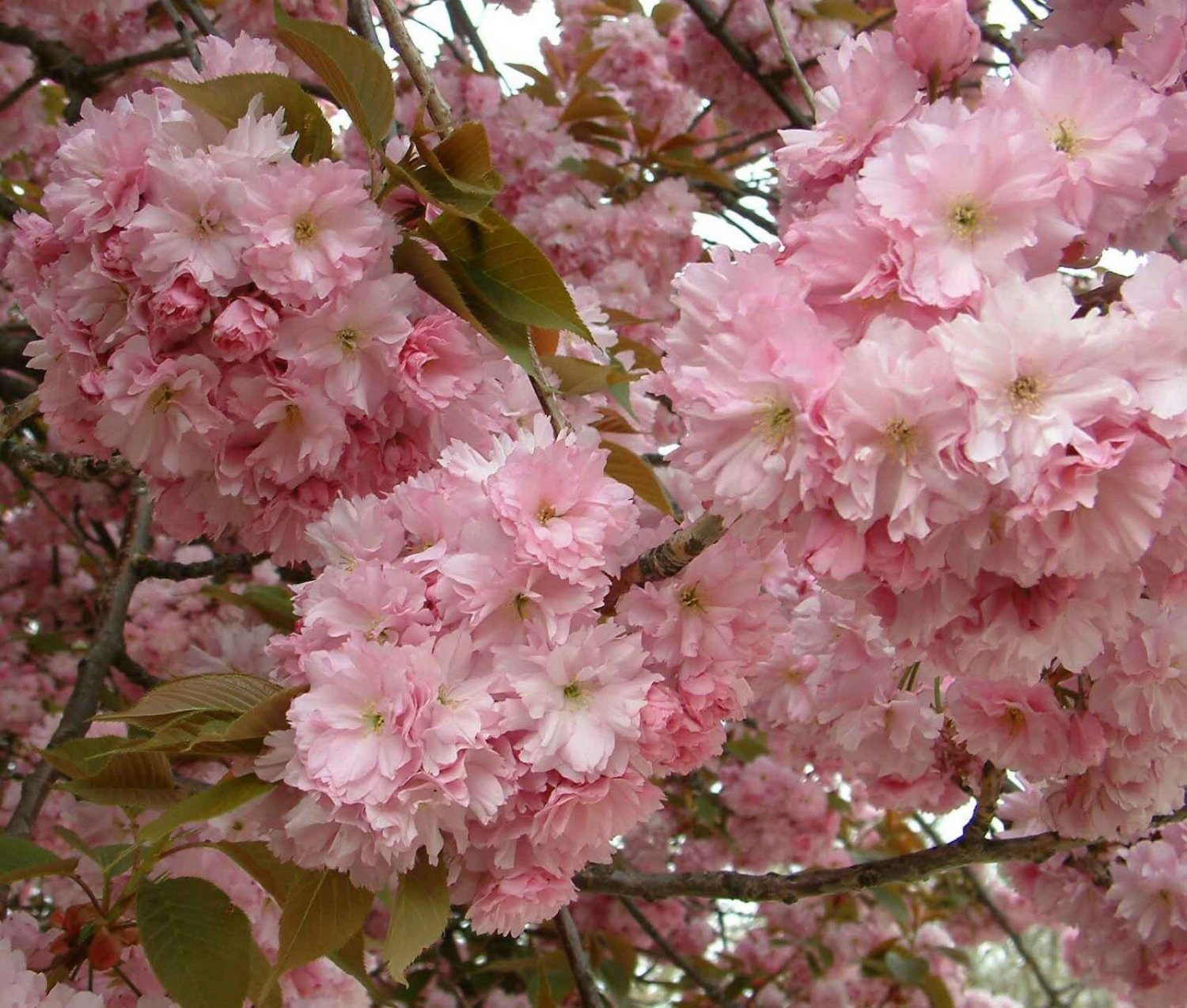


Leaf: Alternate, simple, pinnately veined, serrated margin, lanceolate to broadly ovate, 3 to 5 inches long, shiny dark green above, light green below, petioles have obvious glands.
Flower: Very showy, most commonly deep pink, double, occur in large clumps along the stem, in early spring.
Twig: Stout, reddish brown, conspicuous lenticels, and large reddish buds.
Bark: Thin, smooth, reddish to bronze, glossy with very prominent horizontal lenticels.
Form: A small tree reaching 25 to 30 feet high and wide, usually a vase-shaped, spreading crown.
Other Names: Japanese Flowering Cherry, Oriental Cherry, Hill Cherry, East Asian Cherry, Sakura
Zone: 5 to 8
Growth Rate: Fast
Plant Type: Small deciduous flowering tree.
Family: Rosaceae
Native Range: Japan, China, Korea
Height: 15 to 25 feet
Spread: 15 to 25 feet
Shape: Vase-shaped, spreading crown.
Bloom Time: April
Bloom Color: White to pink
Flower/Fruit: Flowers come in single, semi-double or double form and may be fragrant or non-fragrant. The fruit is a globose black pea-sized drupe appearing in late summer.
Sun: Full Sun to Part Shade
Fall Color: Yellow, red or crimson.
Drought Tolerance: Medium
Water: Medium
Maintenance: Medium
Site Requirements /Soil Tolerances: Best grown in moist, fertile, well-drained loams in full sun to part shade. Best flowering in full sun.
Culture: Prune after flowering in spring
Uses: Bonsai, specimen or group.
Sowing Prunus serrulata Seeds:
Japanese Flowering Cherry seed need a warm spell then a cold spell in order to mature the embryo and reduce the seed coat.
For best results, please follow the instructions in the order provided.
Scarify: Soak 24 hours
Stratify: Warm 30-60 Days, then, Cold 90-120 days, 40 Degrees F in a Moist Medium (Not wet).
Germination: Sow 1/2” deep, Keep moist, (not wet).
Flower: Very showy, most commonly deep pink, double, occur in large clumps along the stem, in early spring.
Twig: Stout, reddish brown, conspicuous lenticels, and large reddish buds.
Bark: Thin, smooth, reddish to bronze, glossy with very prominent horizontal lenticels.
Form: A small tree reaching 25 to 30 feet high and wide, usually a vase-shaped, spreading crown.
Other Names: Japanese Flowering Cherry, Oriental Cherry, Hill Cherry, East Asian Cherry, Sakura
Zone: 5 to 8
Growth Rate: Fast
Plant Type: Small deciduous flowering tree.
Family: Rosaceae
Native Range: Japan, China, Korea
Height: 15 to 25 feet
Spread: 15 to 25 feet
Shape: Vase-shaped, spreading crown.
Bloom Time: April
Bloom Color: White to pink
Flower/Fruit: Flowers come in single, semi-double or double form and may be fragrant or non-fragrant. The fruit is a globose black pea-sized drupe appearing in late summer.
Sun: Full Sun to Part Shade
Fall Color: Yellow, red or crimson.
Drought Tolerance: Medium
Water: Medium
Maintenance: Medium
Site Requirements /Soil Tolerances: Best grown in moist, fertile, well-drained loams in full sun to part shade. Best flowering in full sun.
Culture: Prune after flowering in spring
Uses: Bonsai, specimen or group.
Sowing Prunus serrulata Seeds:
Japanese Flowering Cherry seed need a warm spell then a cold spell in order to mature the embryo and reduce the seed coat.
For best results, please follow the instructions in the order provided.
Scarify: Soak 24 hours
Stratify: Warm 30-60 Days, then, Cold 90-120 days, 40 Degrees F in a Moist Medium (Not wet).
Germination: Sow 1/2” deep, Keep moist, (not wet).


 ID, Jawa Tengah
