
$20.80
Add to Cart
20 Seeds Blue Douglas Fir
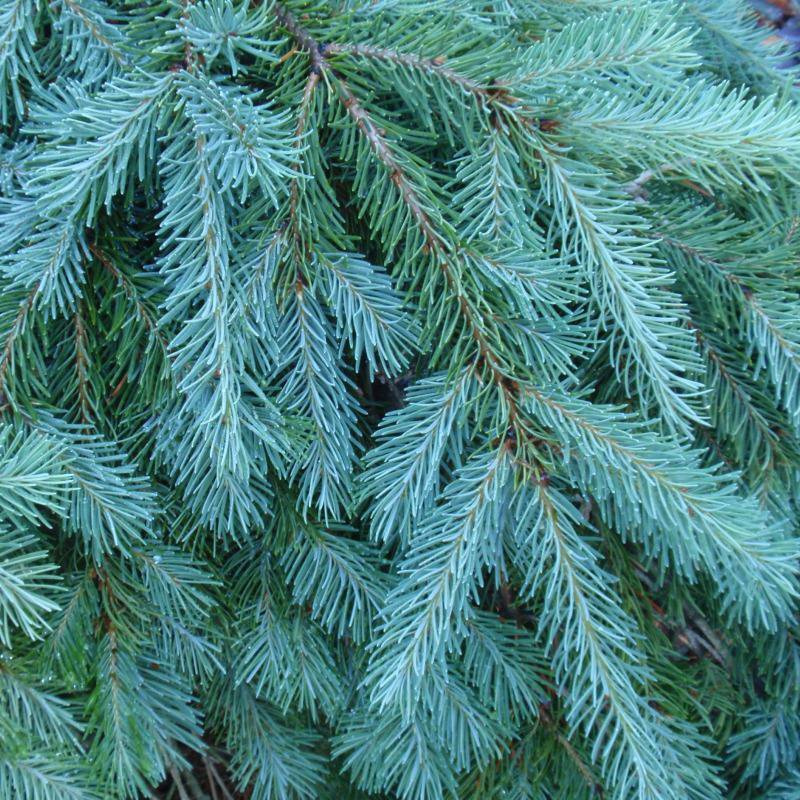
Other Names: Interior Douglas Fir, Pseudotsuga taxifolia glauca, Douglas-fir, Douglas Spruce, Blue Needled Douglas Fir, Rocky Mountain Fir, Pseudotsuga douglasii
Zone: 4 to 7 The Rocky Mountain variety is more cold hardy and better adapted to conditions in the northern and central U.S. than is the coastal variety. The coastal variety is better for warmer climates.
Growth Rate: Slow to Moderate
Plant Type: Needled evergreen conifer
Family: Pinaceae
Native Range: Western North America
Height: 40 to 125 feet
Spread: 12 to 20 feet
Shape: Pyramidal
Sun: Full Sun
Fall Color: Evergreen
Drought Tolerance: In cultivation, Douglas Fir is not tolerant of drought. They grow best in humid climates. The coastal variety, (Pseudotsuga menziesii) which grows in the western Cascades, is not at all tolerant of drought. Rocky Mountain Douglas Fir (Pseudotsuga menziesii glauca) is a little more tolerant of dry conditions.
Water: Medium to Wet
Maintenance: Low
Site Requirements/Soil Tolerances: Best grown in medium to wet, well-drained soils in full sun, it can tolerate partial shade, but it does best in full sun. Does best in locations with abundant air and soil moisture. A good tree for northern climates.
Culture: Rocky Mountain Douglas Fir grows naturally throughout the Rocky Mountains from British Columbia to northern Mexico. The coastal variety grows west of the mountain ranges from British Columbia to central California. One of the most abundant trees in western North America, Douglas Firs grow from sea level to 10,000 feet and in climates that get just 15 inches of precipitation annually to climates that average more than 100 inches of precipitation a year. It often grows in pure to nearly pure stands. Douglas Fir is a widely grown and very popular ornamental in Great Britain. It has been planted in New Zealand as a timber crop and is now considered an invasive weed there. Under ideal conditions, Douglas Fir can grow 35 feet tall in 20 or 25 years.
Uses: Bonsai. Attractive specimen, good accent plant, Christmas tree, shade tree, lawn tree. Plant in groups or use as screen/windbreak.
Sowing Pseudotsuga menziesii glauca Seeds:
For best results, please follow the instructions in the order provided.
Scarify: Soak in water 24 Hours
Stratify: Cold 30 days, 40 Degrees F in a Moist Medium (Not wet).
Germination: Sow 1/4" Deep, Keep moist, (Not wet).
Zone: 4 to 7 The Rocky Mountain variety is more cold hardy and better adapted to conditions in the northern and central U.S. than is the coastal variety. The coastal variety is better for warmer climates.
Growth Rate: Slow to Moderate
Plant Type: Needled evergreen conifer
Family: Pinaceae
Native Range: Western North America
Height: 40 to 125 feet
Spread: 12 to 20 feet
Shape: Pyramidal
Sun: Full Sun
Fall Color: Evergreen
Drought Tolerance: In cultivation, Douglas Fir is not tolerant of drought. They grow best in humid climates. The coastal variety, (Pseudotsuga menziesii) which grows in the western Cascades, is not at all tolerant of drought. Rocky Mountain Douglas Fir (Pseudotsuga menziesii glauca) is a little more tolerant of dry conditions.
Water: Medium to Wet
Maintenance: Low
Site Requirements/Soil Tolerances: Best grown in medium to wet, well-drained soils in full sun, it can tolerate partial shade, but it does best in full sun. Does best in locations with abundant air and soil moisture. A good tree for northern climates.
Culture: Rocky Mountain Douglas Fir grows naturally throughout the Rocky Mountains from British Columbia to northern Mexico. The coastal variety grows west of the mountain ranges from British Columbia to central California. One of the most abundant trees in western North America, Douglas Firs grow from sea level to 10,000 feet and in climates that get just 15 inches of precipitation annually to climates that average more than 100 inches of precipitation a year. It often grows in pure to nearly pure stands. Douglas Fir is a widely grown and very popular ornamental in Great Britain. It has been planted in New Zealand as a timber crop and is now considered an invasive weed there. Under ideal conditions, Douglas Fir can grow 35 feet tall in 20 or 25 years.
Uses: Bonsai. Attractive specimen, good accent plant, Christmas tree, shade tree, lawn tree. Plant in groups or use as screen/windbreak.
Sowing Pseudotsuga menziesii glauca Seeds:
For best results, please follow the instructions in the order provided.
Scarify: Soak in water 24 Hours
Stratify: Cold 30 days, 40 Degrees F in a Moist Medium (Not wet).
Germination: Sow 1/4" Deep, Keep moist, (Not wet).


 ID, Jawa Tengah
