$2.73
Add to Cart
1 oz. Nettle Root (Urtica dioica) Organic & Kosher Hungary
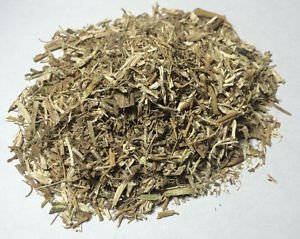


Common NameStandardized: stinging nettleOther: nettle Botanical NameUrtica dioica L. ssp. dioicaPlant Family: Urticaceae OverviewIntroductionNettle is a common botanical, native to Africa and western Asia. It has since become naturalized across the globe and can be found wild in many parts of the world. It grows in temperate climates, preferring shady regions with moist soil. Stinging hairs cover the live plant, helping to protect it from predation. When touched, the hairs cause stinging welts due to the content of formic acid. While the stings canbe painful, they don't last long and rarely cause serious harm.After being picked, the acid deteriorates quickly and the stinginghairs begin losing potency within minutes. The harvested leaves are a favorite source of medicine and have also been used for centuries forfood and fabric. The healing powers of nettle are well steeped in the folklore and traditions of various cultures. In one fairytale, The Wild Swans, the heroine is tasked with weaving shirts of nettle leaf in orderto cure her eleven brothers who have been turned into swans by theirevil stepmother.Constituentsformic acid, histamine, serotonin, choline, minerals, chlorophyll,amino acids, lecithin, carotenoids, flavonoids, sterols, tannins and vitamins. Nettle's main plant chemicals include: acetophenone, acetylcholine, agglutinins, alkaloids, astragalin, butyric acid, caffeicacids, carbonic acid, chlorogenic acid, chlorophyll, choline, coumaric acid, folacin, formic acid, friedelins, histamine, kaempherols, koproporphyrin, lectins, lecithin, lignans, linoleic acid, linolenic acid, neoolivil, palmitic acid, pantothenic acid, quercetin, quinic acid, scopoletin, secoisolariciresinol, serotonin, sitosterols, stigmasterol, succinic acid, terpenes, violaxanthin, and xanthophyllsParts UsedLeavesTypical PreparationsSteamed and eaten in salads, pastas, etc. As a tea, extract and capsule.SummaryPeople have used nettle in the production of clothing for thousands of years. According to The Book of Herbal Wisdom by Matthew Wood, archeologists in China discovered perfectly preserved nettle clothing aging over 2000 years. Since then, nettle fiber has been used to makerope, and was notably used by the Germans in World War 2 for the manufacture of their uniforms.Nettle greens can be steamed for a delicious leafy vegetable with a flavor that is often compared to spinach. The leaves are a wonderful source of nutrients, containing a number of essential minerals includingiron, calcium, potassium and magnesium. Nettle is approved by the German Commission E for internal and external use in the support ofinflammation. For its diuretic properties, it is approved for support ofthe lower urinary tract. PrecautionsSpecific: No known precautions.General: We recommend that you consult with a qualified healthcare practitioner before using herbal products, particularly if you are pregnant, nursing, or on any medications.For educational purposes only This information has not been evaluated by the Food and Drug Administration.This information is not intended to diagnose, treat, cure, or prevent any disease.
You may also be interested in:
-
$24.99

-
$53.16
-
$76.88
-
$74.08
-
$20.29
-
$20.29
-
$83.87
-
$16.77
-
$48.99

-
$25.17