$2.14
Add to Cart
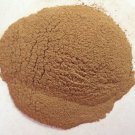
1 oz. Kola Nut (Cola nitida) Wildharvested & Kosher Brazil


COMMON NAMEStandardized: colaOther: ghanja cola, kolaBOTANICALNAMECola nitida(Vent.)A. Chev.Plant Family:SterculiaceaeOVERVIEWINTRODUCTIONTropical Africa is the nativehome of the towering kola tree growing up to 40 feet (13 meters) tall. Itsyellow flowers tinged with purple bear reddish-brown seeds about the size of awalnut with almost no taste but rich in caffeine. The Igbo, a tribe in southernNigeria, consider the kola nut tree to be the first tree (and fruit) on earth.They consider the nut to be a symbol of hospitality, kindness and fraternity.Throughout Western Africa, a small piece of nut is chewed before each meal topromote digestion. It was introduced to Europe in the mid 16th century byPortuguese traders. The nut is also thought to improve the flavor of any foodand to counteract the effects of drinking tainted water.CONSTITUENTSCaffeine, starch, sugar.PARTS USEDThe whole nut. The nuts, eitherwhole or cut retain their caffeine content better than kola nut powder and itis recommended that you grind your Kola immediately before using.TYPICAL PREPARATIONSKola, as its name suggests, is amain ingredient in many traditional colas. In herbal medicine, the nut isusually soaked in alcohol to make tinctures. May be taken as tea althoughbitter, and the powder can be taken as a capsule.SUMMARYKola nut was used as the mainingredient in cola drinks for many years, but is now mainly used as a flavoringagent.PRECAUTIONSSpecific:Containscaffeine, a nervous system stimulant. Excessive use of caffeine can causeinsomnia, nervousness, increase heart rate and the other symptoms of excesscaffeine intake. Exercise caution when using with other central nervousstimulants, including bronchodilators or adrenergic drugs.General:We recommend that you consult with aqualified healthcare practitioner before using herbal products, particularly ifyou are pregnant, nursing, or on any medications.Foreducational purposes only This information has not been evaluated by the Foodand Drug Administration.This information is not intended to diagnose, treat, cure, or prevent anydisease.Please note: Herbs may vary in color from batch to batch the picture may not show the exact coloration of the herb or the cut.
Other Products from oursacredgarden (View All)
-
$5.61

-
$2.81
-
$2.81
-
$4.25
-
$142.47

-
$10.06
-
$17.26
-
$2.81
-
$2.81

-
$3.67