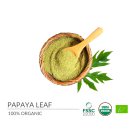
$2.73
Add to Cart
1 oz. Coltsfoot Leaf Powder (Tusilago Farfara) Organic & Kosher Albania
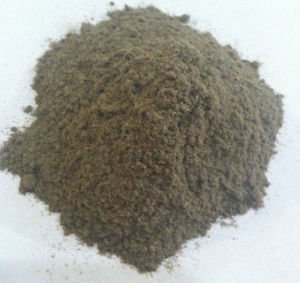


Also known asTussilago farfara, Horsehoof, Coughwort, Fieldhove, Bullsfoot, Cleats, Clayweed, Tusilago, and Ass’s Foot.IntroductionColtsfoot grows wild over much of Europe, and has been used traditionally to treat chest ailments for hundreds of years. The name is derived from the horseshoe shaped leaves. It was so popular in Europe at one time that French pharmacists painted its flowers on their doorposts. It was brought to the American colonies from Europe. American colonists were known to wrap persons afflicted with whooping cough in blankets that had been soaked with a coltsfoot infusion. Before the plant flowers, it resembles butterbur enough that old herbals caution against confusing the two.ConstituentsMucilage, including numerous sugars; inulin; flavonoids, rutin, isoquercetin, tannin; pyrrolizidine alkaloidsParts UsedLeaves, and sometimes the buds and flowersTypical PreparationsInfusion, tea, syrup, capsules and extracts.SummaryThe USDA classifies coltsfoot as an herb of “unknown safety”, and the presence of minute amounts of pyrrolizidine alkaloids, which have been found to cause liver toxicity and cancer, has led to its banning in West Germany. The amount of these alkaloids is extremely small, though, and the beneficial effects are generally believed to outweigh the miniscule risk.PrecautionsColtsfoot should not be used by pregnant women, as it may be an abortifacient, and the alkaloids seem to have a particularly harmful effect on the liver of the developing infant. Pyrrolizidine alkaloids present in the plant are potentially toxic in large doses, but have not proven toxic in the doses usually used to treat coughs. Still, it is recommended that coltsfoot tea or syrup not be used for more than 4-6 weeks at a time.For educational purposes only This information has not been evaluated by the Food and Drug Administration.This information is not intended to diagnose, treat, cure, or prevent any disease.
You may also be interested in:
-
$17.46
-
$33.53
-
$36.36
-
$49.36
-
$44.63
-
$33.97
-
$34.82
-
$30.39
-
$34.44
-
$29.98