
$25.18
Add to Cart
VINTAGE NORITAKE NIPPON TOKI KAISHA JAPAN CRANBERRY SMALL BOWLS SET OF 2 JAPAN
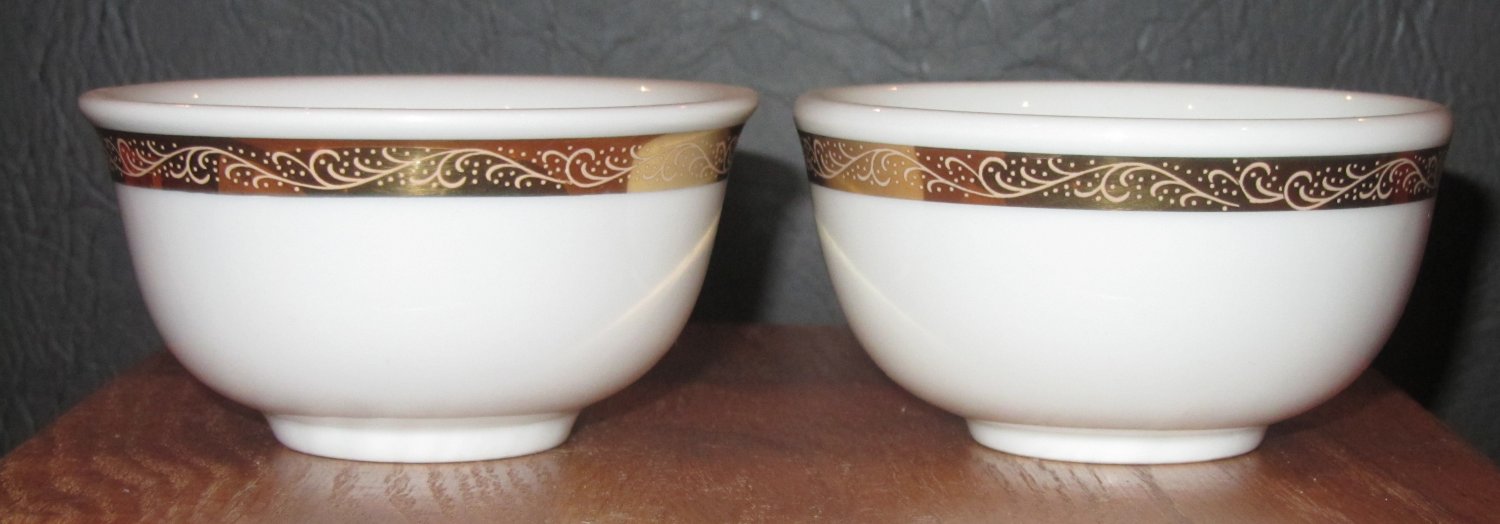


Elegant porcelain with goldetched band small bowls.
Measures 3.5" x 2".
Morimura Bros. formed the trading and decorating company in 1876 which evolved into Noritake. Noritake Company has a rich history of producing fine bone china all the way from January 1, 1904 when the Nippon Toki Kaisha Ltd - the forerunner to the present Noritake Company - was formed. The first reported U.S. registry for a Noritake backstamp for importing is 1911.
Until 1921 Noritake predominately marked export wares Nippon meaning Japan in Japanese, while most back stamps after 1921 state "Japan" or "Made in Japan." From the early 1920 and probably until 1940 most if not all US market patterns were designed in New York. Marks with US Design Patent Pending probably dates to this period, to whatever effect it might have had to stop other Japanese companies to copy the modern and seccessful Noritake designs. Many antique Nippon china pieces are trimmed with 24 karat gold. The process used in those days, however, did not bind the gold well to the porcelain, so pieces that have not worn off a significant portion of the gold are highly valued.
PHOTO NOTE: It is possible for items to appear slightly different in shade or color on different computer monitors. If you are unsure about a color or tone, please ASK.
Measures 3.5" x 2".
Morimura Bros. formed the trading and decorating company in 1876 which evolved into Noritake. Noritake Company has a rich history of producing fine bone china all the way from January 1, 1904 when the Nippon Toki Kaisha Ltd - the forerunner to the present Noritake Company - was formed. The first reported U.S. registry for a Noritake backstamp for importing is 1911.
Until 1921 Noritake predominately marked export wares Nippon meaning Japan in Japanese, while most back stamps after 1921 state "Japan" or "Made in Japan." From the early 1920 and probably until 1940 most if not all US market patterns were designed in New York. Marks with US Design Patent Pending probably dates to this period, to whatever effect it might have had to stop other Japanese companies to copy the modern and seccessful Noritake designs. Many antique Nippon china pieces are trimmed with 24 karat gold. The process used in those days, however, did not bind the gold well to the porcelain, so pieces that have not worn off a significant portion of the gold are highly valued.
PHOTO NOTE: It is possible for items to appear slightly different in shade or color on different computer monitors. If you are unsure about a color or tone, please ASK.


