
$49.06
Add to Cart
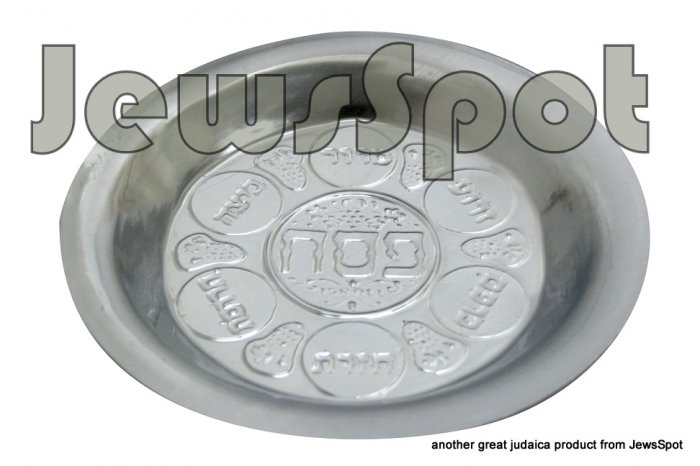
(SET OF12 PLATES) PLASTIC SILVER PASSOVER PLATE 20 CM
More than 10 available, 15 sold
Details
Shipping: Australia: free (more destinations)
Condition: Brand new
*The store has not been updated recently. You may want to contact the merchant to confirm the availability of the product.
PLASTIC SILVER PASSOVER PLATE 20 CM (SET OF 12 UNITS - PLATES)
EACH UNIT (PLATE)PRICE IS ONLY $2.8 !
TOTAL COST PER 12 UNITS - $33.6
Many decorative and artistic beautiful Seder Plates made of different materials are sold on our Judaica store at JewsSpot.
please take a look before you choose the one you like best.
(( AT THE MOMENT WE ARE OFFERING FREE WORLDWIDE SHIPPING))
(((((((TAKE ADVANTAGE OF IT AND BUY IT NOW STRAIGHT FROM ISRAEL)))))))
There are six items to be placed on the plate and they have special meanings to story telling of the exodus from Egypt by the Jewish nation.
That is the whole focus of the “seder meal”.
The Symbolic traditional jewish foods that are being placed on the seder plate are:
+ Maror and chazeret — these are: Bitter herbs, to symbolize the bitterness and harshness of the slavery which the Jewish nation suffered from in Egypt. Either horseradish or romaine lettuce may be eaten in order to fulfill the mitzvah of eating bitter herbs during the Seder.
+ Charoset —which is a sweet, brown mix of nuts, cinnamon and wine representing the mortar used by the Jewish slaves to build the storehouses of Egypt.
- In Ashkenazi Jewish homes, charoset is traditionally made from chopped nuts, grated apples, cinnamon, and sweet red wine.
-Sephardi recipes made of dates and honey in addition to chopped nuts, cinnamon, and wine.
* Karpas — A vegetable other than bitter herbs, which is dipped into salt water at the beginning of the Seder. Parsley, celery or boiled potato is usually used. The dipping of a simple vegetable into salt water (which represents tears) mirrors the pain felt by the Jewish slaves in Egypt. Usually in a Shabbat or holiday meal, the first thing to be eaten after the kiddush over wine is bread but on the Seder table, the first thing to be eaten after the kiddush is a vegetable. This leads to the recital of the famous question, “Ma Nishtana” — "what is the difference in this night comparing to all other nights?"
* Z'roa — A roasted lamb or goat shankbone, chicken wing, or chicken neck; symbolizing the korban Pesach (Pesach sacrifice), which was a lamb that was offered in the Temple in Jerusalem.
* Beitzah — A hard-boiled egg, symbolizing the korban chagigah (festival sacrifice) that was offered in the Temple in Jerusalem and roasted and eaten as part of the meal on Seder night. Although both the Pesach sacrifice and the chagigah were meat offerings, the chagigah is commemorated by an egg, a symbol of mourning (as eggs are the first thing served to mourners after a funeral), evoking the idea of mourning over the destruction of the Temple and our inability to offer any kind of sacrifices in honor of the Pesach holiday.
EACH UNIT (PLATE)PRICE IS ONLY $2.8 !
TOTAL COST PER 12 UNITS - $33.6
Many decorative and artistic beautiful Seder Plates made of different materials are sold on our Judaica store at JewsSpot.
please take a look before you choose the one you like best.
(( AT THE MOMENT WE ARE OFFERING FREE WORLDWIDE SHIPPING))
(((((((TAKE ADVANTAGE OF IT AND BUY IT NOW STRAIGHT FROM ISRAEL)))))))
There are six items to be placed on the plate and they have special meanings to story telling of the exodus from Egypt by the Jewish nation.
That is the whole focus of the “seder meal”.
The Symbolic traditional jewish foods that are being placed on the seder plate are:
+ Maror and chazeret — these are: Bitter herbs, to symbolize the bitterness and harshness of the slavery which the Jewish nation suffered from in Egypt. Either horseradish or romaine lettuce may be eaten in order to fulfill the mitzvah of eating bitter herbs during the Seder.
+ Charoset —which is a sweet, brown mix of nuts, cinnamon and wine representing the mortar used by the Jewish slaves to build the storehouses of Egypt.
- In Ashkenazi Jewish homes, charoset is traditionally made from chopped nuts, grated apples, cinnamon, and sweet red wine.
-Sephardi recipes made of dates and honey in addition to chopped nuts, cinnamon, and wine.
* Karpas — A vegetable other than bitter herbs, which is dipped into salt water at the beginning of the Seder. Parsley, celery or boiled potato is usually used. The dipping of a simple vegetable into salt water (which represents tears) mirrors the pain felt by the Jewish slaves in Egypt. Usually in a Shabbat or holiday meal, the first thing to be eaten after the kiddush over wine is bread but on the Seder table, the first thing to be eaten after the kiddush is a vegetable. This leads to the recital of the famous question, “Ma Nishtana” — "what is the difference in this night comparing to all other nights?"
* Z'roa — A roasted lamb or goat shankbone, chicken wing, or chicken neck; symbolizing the korban Pesach (Pesach sacrifice), which was a lamb that was offered in the Temple in Jerusalem.
* Beitzah — A hard-boiled egg, symbolizing the korban chagigah (festival sacrifice) that was offered in the Temple in Jerusalem and roasted and eaten as part of the meal on Seder night. Although both the Pesach sacrifice and the chagigah were meat offerings, the chagigah is commemorated by an egg, a symbol of mourning (as eggs are the first thing served to mourners after a funeral), evoking the idea of mourning over the destruction of the Temple and our inability to offer any kind of sacrifices in honor of the Pesach holiday.
Other Products from jewsspot (View All)
-
$52.93
-
$43.66
-
$58.26
-
$102.06
-
$54.75
-
$54.75
-
$82.13
-
$36.36
-
$72.86
-
$14.53


 IL, israel
